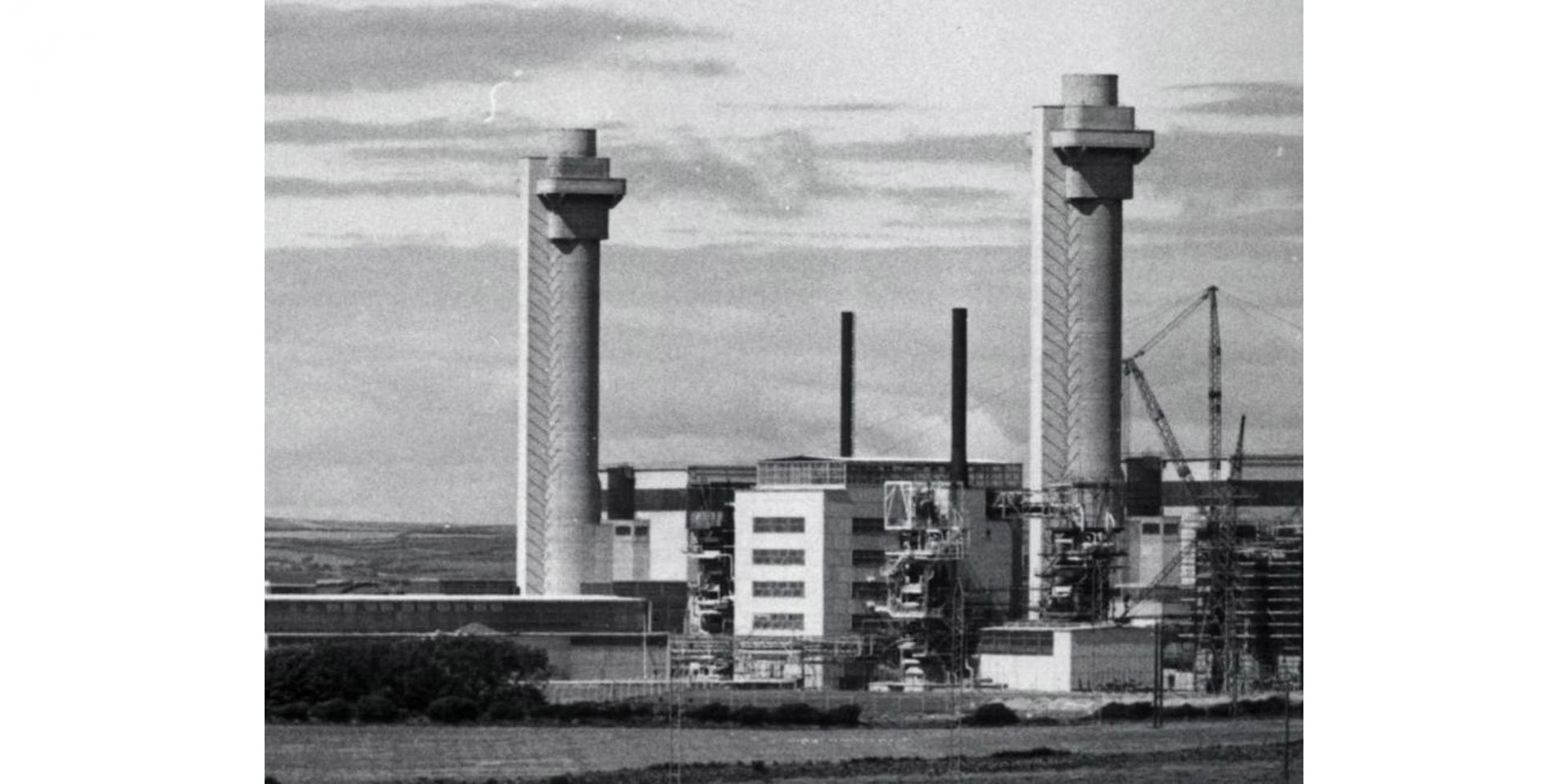
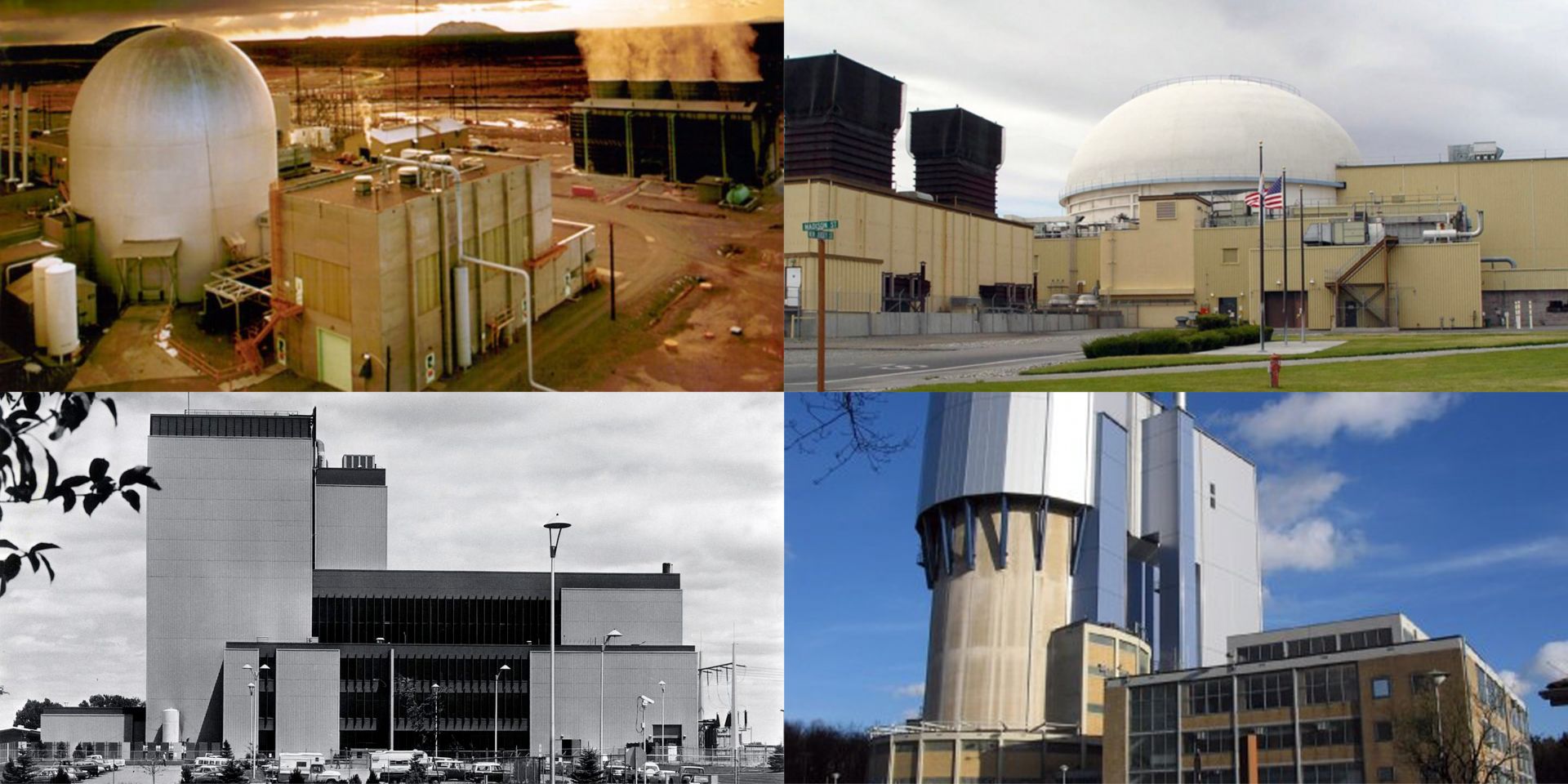
The Windscale Piles, circa 1956. (Photo: DOE)
The core of Pile No. 1 at Windscale caught fire in the fall of 1957. The incident, rated a level 5, “Accident with Wider Consequences,” by the International Nuclear and Radiological Event Scale (INES), has since inspired nuclear safety culture, risk assessment, accident modeling, and emergency preparedness. Windscale also helped show how important communication and transparency are to gaining trust and public support.
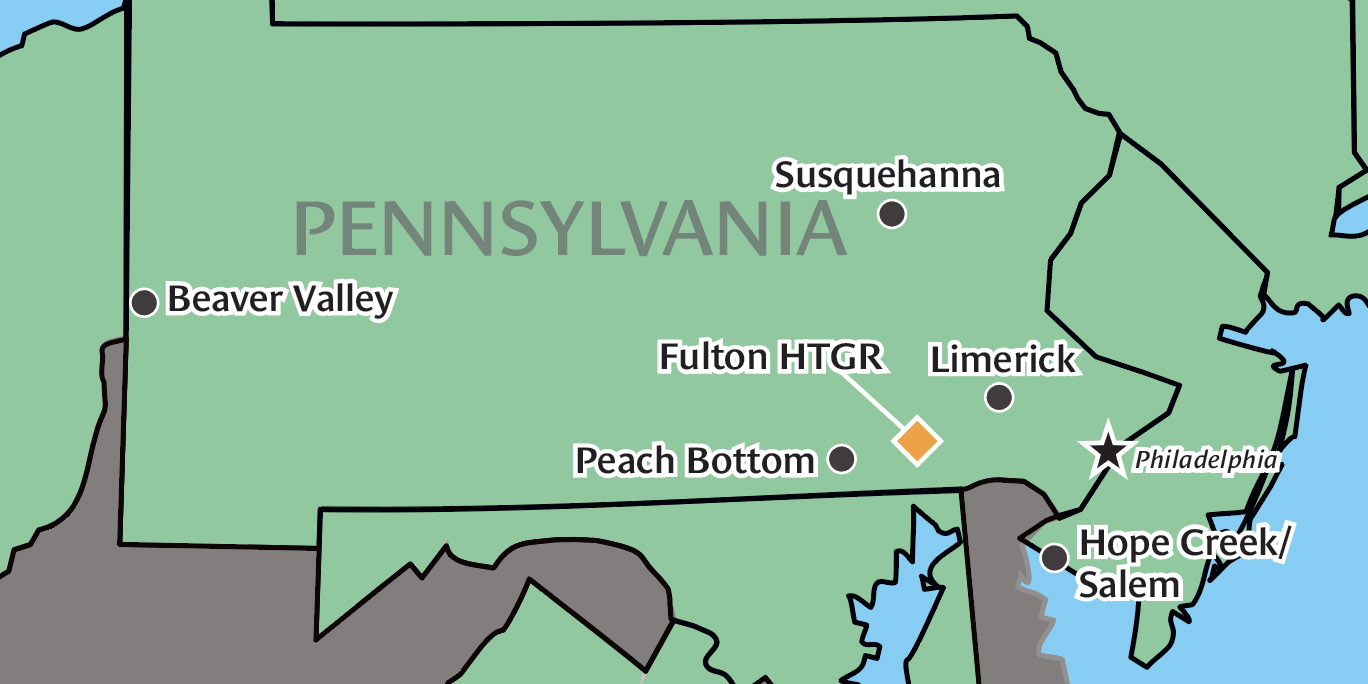
The once-proposed location of the Fulton HTGR, in relation to modern-day operating nuclear power plants.
Fulton Station was to be a two-unit high-temperature gas-cooled reactor that was originally planned to start commercial operation in 1981 for Unit 1 and in 1983 for Unit 2. Each reactor was to provide 1,160 MWe of power. The nuclear steam supply system (NSSS) and fuel were to be developed by General Atomics (GA), and engineering firm Stone & Webster was charged with handling the construction. The Philadelphia Electric Company (PECO) had big plans for Fulton Station, but ultimately, the plant was never built.
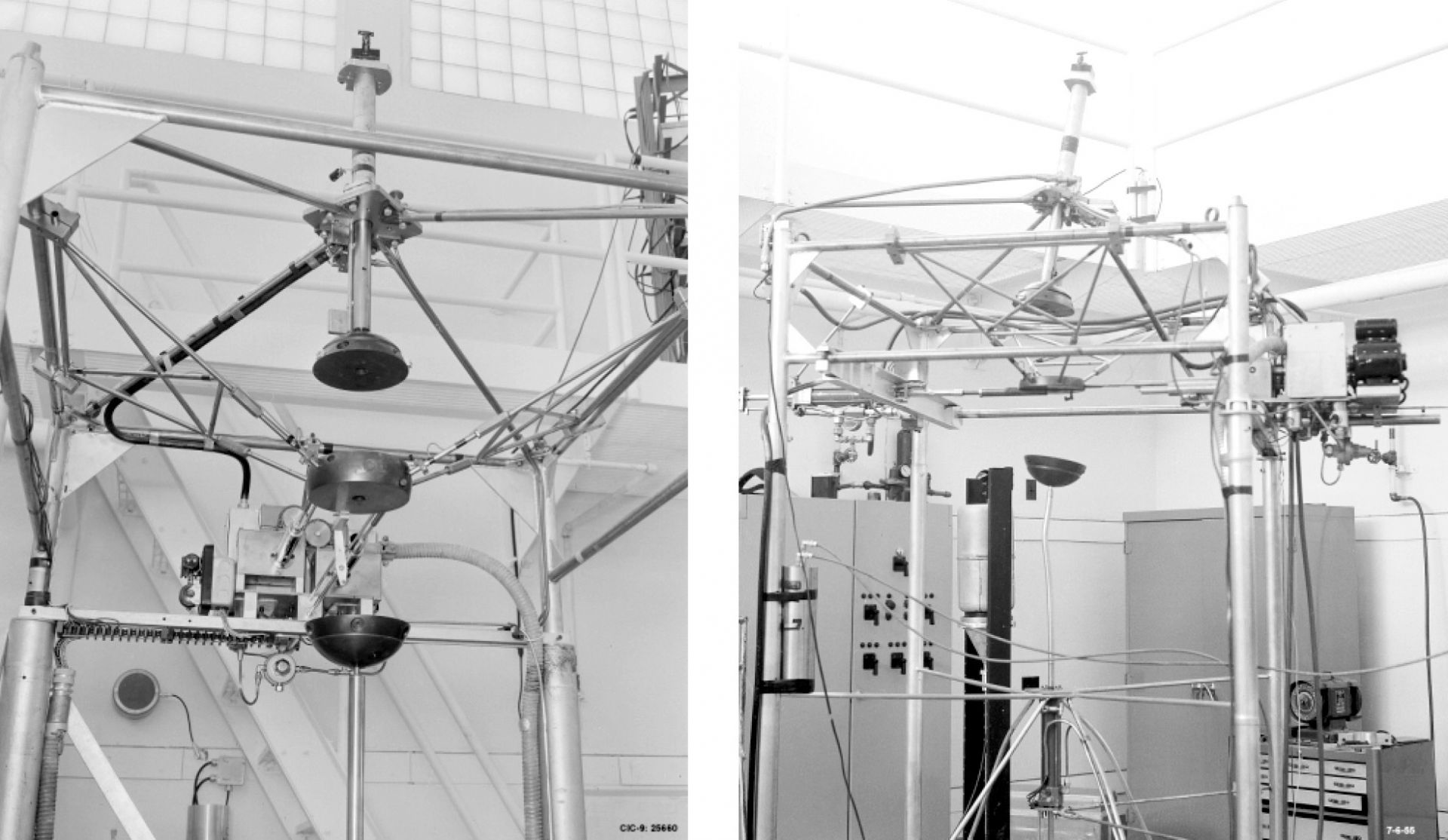
The Godiva I device, an unreflected 54-kg sphere of 93.7 percent pure uranium-235, before (left [in the scrammed state]), and after (right) the February 3, 1954, criticality excursion that released 5.6 × 10¹⁶ neutrons and warped or broke several support structures of the device. (Photos: DOE)
Fast burst reactors were the first fast-spectrum research reactors to reach criticality by using only prompt neutrons with high-enriched uranium as fuel, creating a pulse for microseconds. Among many achievements, fast burst reactors were the first research reactors to demonstrate the ability of thermal expansion to terminate a pulse and to show how this could aid in reactor safety. In addition, fast burst reactors were pivotal in early fission studies including critical mass determination, criticality safety, the study of prompt and delayed neutrons, and much more.
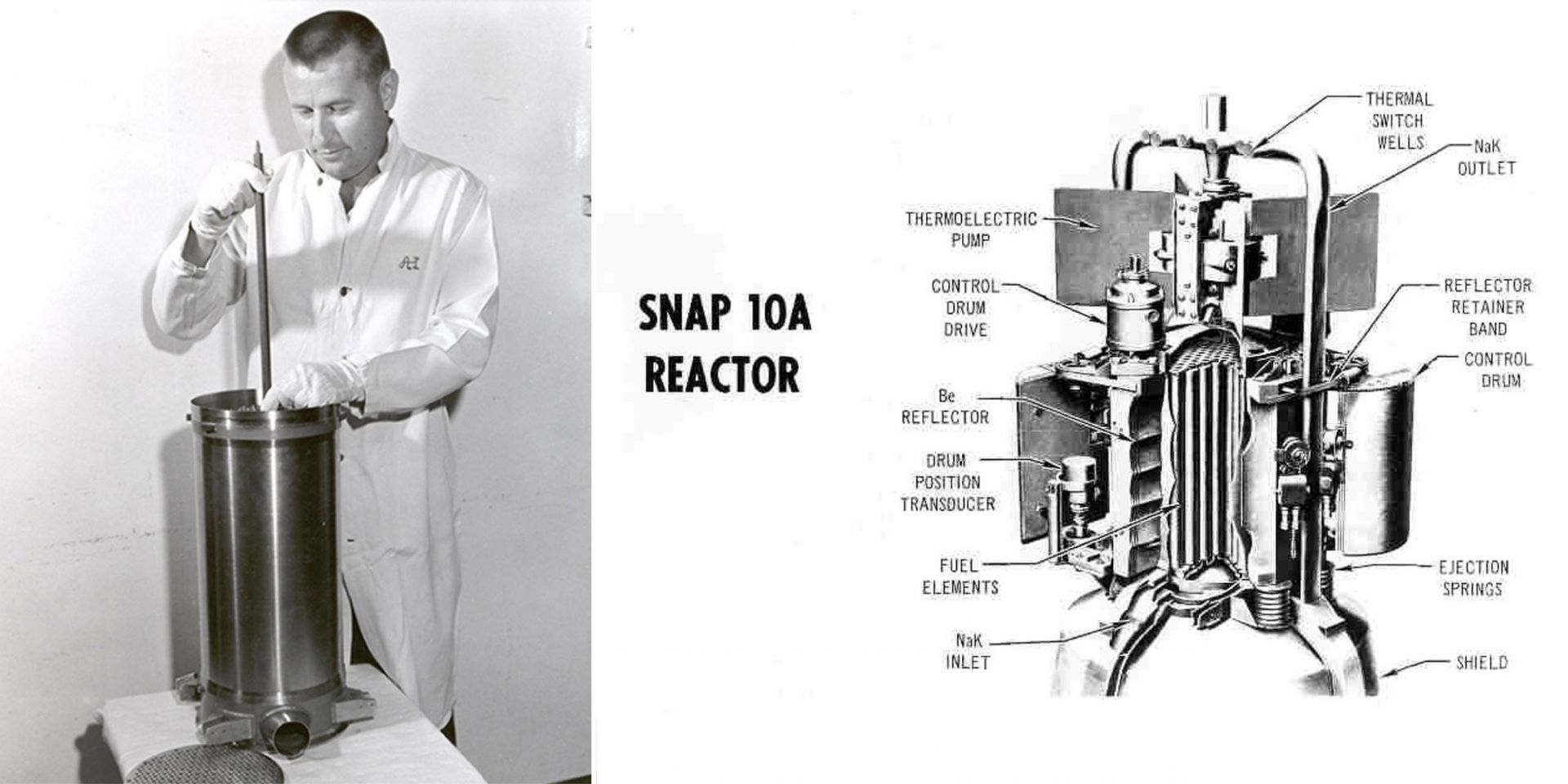
Left: A technician inserts a steel tube containing fuel into the SNAP-10A reactor core vessel. (Photo: DOE) Right: A cross-section view of the reactor. (Image: DOE)
Systems for Nuclear Auxiliary Power (SNAP) was an Atomic Energy Commission program with the goal of producing a portable and dependable power source centered around nuclear technology that could be utilized in land, sea, and space applications. The program aimed to provide a compact reactor—a necessity for space applications—and ran from 1955 until 1973, when it was discontinued.
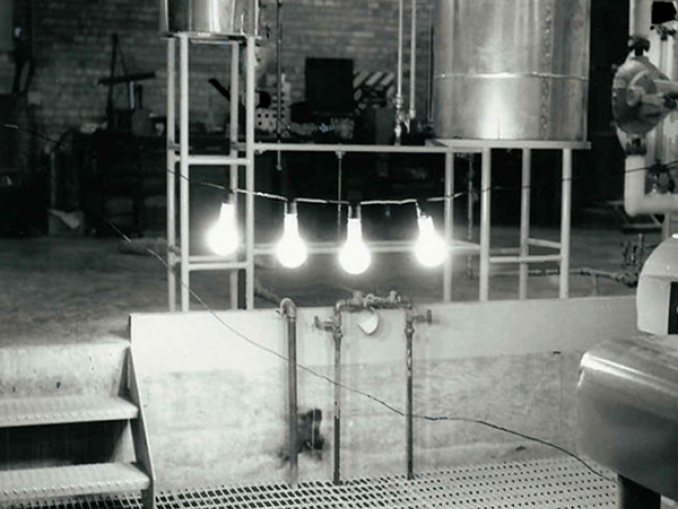
On December 20, 1951, EBR-I became the first power plant to produce usable electricity through atomic fission. It powered four 200-watt light bulbs and eventually generated enough electricity to light the entire facility. (Photo: DOE)
"At 1:23 p.m. load dissipaters from the generator were connected—electricity flows from atomic energy.” These were the words Walter Zinn wrote in the log after the first four light bulbs were illuminated by nuclear energy. The year was 1951, and the EBR-I was about to show the world what nuclear energy had to offer.

-3 2x1.jpg)